http://www.history.com/news/ask-history/why-do-we-kiss-under-the-mistletoe

Thursday, December 4, 2014


Tuesday, November 4, 2014
Thursday, October 30, 2014
Wednesday, October 29, 2014

Tuesday, October 21, 2014

Tuesday, December 31, 2013
Wednesday, March 27, 2013
kadal music review and upcoming weekend of Good friday and Easter
EXCELLENT SONGS by ar rahaman in Kadal
•Singers: Haricharan
•Composer: A.R.Rahman
•Lyrics: Madhan Karky
Nee Illaiyael, Naan En Seivaen?
Nee Illaiyael, Naan En Seivaen?
Anbin Vaasale.. Anbin Vaasale..
Emai Naalum Aalum Uruvai Meendum Kandoam
Vaazhum Kaalam Muzhuthum Unathey Enboam
Naalangal Oodae Unathanbin Peruvellam
Meendum Nee Uyirthu Ezhugiraai
Neeyae Emathannamaaga Neeyae Emathennamaaga
Unarnthoam Mey Maranthoam
Nee Nirainthaay Manam Virindhoam Aasai Aesuvae
Meendum Unai Tharisithoam
Un Paatham Sparisithoam
Unnil Emmai Karaikkiroam
Ho Vaan Man Neer Thee..
Ellaam Nee Thaanae..
Seetram Aatrum Kaatrum Nee Thaanae..
Neeyae Emathannamaaga Neeyae Emathennamaaga
Unarnthoam Mey Maranthoam
Nee Nirainthaay Manam Virindhoam Aasai Aesuvae
Meendum Unai Tharisithoam
Un Paatham Šparisithøam
Unnil Èmmai Karaikkirøam
Kanneerai Thaekkum..
Èn Ullathaakkil..
Un Paerai Chønnaal.. Pøø Pøøthidaathø?
Èmai Naalum Aalum Uruvai Meendum Kandøam
Vaazhum Kaalam Muzhuthum Unathey Ènbøam
Naalangal Oødae Unathanbin Peruvellam
Meendum Nee Uyirthu Èzhugiraai
Pøøvin Maelae..
Vannam Nee Thaanae..
Vaerin Keezhae, Jeevan Neethaanae..
Neeyae Èmathannamaaga Neeyae Èmathennamaaga
Unarnthøam Mey Maranthøam
Nee Nirainthaay Manam Virindhøam Aasai Aesuvae
Meendum Unai Tharisithøam
Un Paatham Šparisithøam
Unnil Èmmai Karaikkirøam
Anbin Vaasale.. Anbin Vaasale..
Anbin Vaasale.. Anbin Vaasale..
Èmai Naalum Aalum Uruvai Meendum Kandøam
Vaazhum Kaalam Muzhuthum Unathey Ènbøam
Naalangal Oødae Unathanbin Peruvellam
Meendum Nee Uyirthu Èzhugiraai
Neeyae Èmathannamaaga Neeyae Èmathennamaaga
Unarnthøam Mey Maranthøam
Nee Nirainthaay Manam Virindhøam Aasai Aesuvae
Meendum Unai Tharisithøam
Un Paatham Šparisithøam
Unnil Èmmai Karaikkirøam
Èmai Naalum Aalum Uruvai Meendum Kandøam
Vaazhum Kaalam Muzhuthum Unathey Ènbøam
Naalangal Oødae Unathanbin Peruvellam
Meendum Nee Uyirthu Èzhugiraai
Neeyae Èmathannamaaga Neeyae Èmathennamaaga
Unarnthøam Mey Maranthøam
Nee Nirainthaay Manam Virindhøam Aasai Aesuvae
Meendum Unai Tharisithøam
Un Paatham Šparisithøam
Unnil Èmmai Karaikkirøam
•Singers: Haricharan
•Composer: A.R.Rahman
•Lyrics: Madhan Karky
Nee Illaiyael, Naan En Seivaen?
Nee Illaiyael, Naan En Seivaen?
Anbin Vaasale.. Anbin Vaasale..
Emai Naalum Aalum Uruvai Meendum Kandoam
Vaazhum Kaalam Muzhuthum Unathey Enboam
Naalangal Oodae Unathanbin Peruvellam
Meendum Nee Uyirthu Ezhugiraai
Neeyae Emathannamaaga Neeyae Emathennamaaga
Unarnthoam Mey Maranthoam
Nee Nirainthaay Manam Virindhoam Aasai Aesuvae
Meendum Unai Tharisithoam
Un Paatham Sparisithoam
Unnil Emmai Karaikkiroam
Ho Vaan Man Neer Thee..
Ellaam Nee Thaanae..
Seetram Aatrum Kaatrum Nee Thaanae..
Neeyae Emathannamaaga Neeyae Emathennamaaga
Unarnthoam Mey Maranthoam
Nee Nirainthaay Manam Virindhoam Aasai Aesuvae
Meendum Unai Tharisithoam
Un Paatham Šparisithøam
Unnil Èmmai Karaikkirøam
Kanneerai Thaekkum..
Èn Ullathaakkil..
Un Paerai Chønnaal.. Pøø Pøøthidaathø?
Èmai Naalum Aalum Uruvai Meendum Kandøam
Vaazhum Kaalam Muzhuthum Unathey Ènbøam
Naalangal Oødae Unathanbin Peruvellam
Meendum Nee Uyirthu Èzhugiraai
Pøøvin Maelae..
Vannam Nee Thaanae..
Vaerin Keezhae, Jeevan Neethaanae..
Neeyae Èmathannamaaga Neeyae Èmathennamaaga
Unarnthøam Mey Maranthøam
Nee Nirainthaay Manam Virindhøam Aasai Aesuvae
Meendum Unai Tharisithøam
Un Paatham Šparisithøam
Unnil Èmmai Karaikkirøam
Anbin Vaasale.. Anbin Vaasale..
Anbin Vaasale.. Anbin Vaasale..
Èmai Naalum Aalum Uruvai Meendum Kandøam
Vaazhum Kaalam Muzhuthum Unathey Ènbøam
Naalangal Oødae Unathanbin Peruvellam
Meendum Nee Uyirthu Èzhugiraai
Neeyae Èmathannamaaga Neeyae Èmathennamaaga
Unarnthøam Mey Maranthøam
Nee Nirainthaay Manam Virindhøam Aasai Aesuvae
Meendum Unai Tharisithøam
Un Paatham Šparisithøam
Unnil Èmmai Karaikkirøam
Èmai Naalum Aalum Uruvai Meendum Kandøam
Vaazhum Kaalam Muzhuthum Unathey Ènbøam
Naalangal Oødae Unathanbin Peruvellam
Meendum Nee Uyirthu Èzhugiraai
Neeyae Èmathannamaaga Neeyae Èmathennamaaga
Unarnthøam Mey Maranthøam
Nee Nirainthaay Manam Virindhøam Aasai Aesuvae
Meendum Unai Tharisithøam
Un Paatham Šparisithøam
Unnil Èmmai Karaikkirøam
Friday, December 21, 2012
excellent photo
Climber and photographer David Breashears has created an amazing mosaic of images of the world's highest mountain, Mount Everest, that makes you feel as if you were physically present at the Mount Everest Base Camp. The image measures an incredible 2 gigapixel in size, that is 2 billion pixels and has been created from 477 photographers stitched together. Explore the image using your mouse or the on-screen controls.
Climber and photographer David Breashears has created an amazing mosaic of images of the world's highest mountain, Mount Everest, that makes you feel as if you were physically present at the Mount Everest Base Camp. The image measures an incredible 2 gigapixel in size, that is 2 billion pixels and has been created from 477 photographers stitched together. Explore the image using your mouse or the on-screen controls.
Friday, July 20, 2012

Thursday, May 31, 2012
Official Google India Blog: g|days Are Coming to India
Official Google India Blog: g|days Are Coming to India: After its roaring success in South America, Middle East and Africa, we’re delighted to bring Google g|days to India. The g|day events ar...
Saturday, May 5, 2012
4 Reasons Why You Need To Take Cold Showers!
1- Better Circulation
Warm water makes the blood rush to your skin, and cool water makes the blood rush to your organs. This switching between hot and cold triggers better circulation in your blood by forcing the blood to move. The ideal practice would be to switch numerous times between hot and cold water, but merely ending the shower with cold water does help with circulation. Why should you worry about having good circulation? Well, it prevents such problems as hypertension, hardening of the arteries, and the appearance of varicose veins. Good circulation improves the performance of your system and thus help looking and feeling better.
2- Better looking skin
When you shower with warm water, it opens up your pores. Then you wash and this cleans up your pores. That’s all good. When you end, it would be best to close your pores and cold water does just that. It’s good to close your pores after you are all cleaned up because it will prevent the pores from being easily clogged by dirt and oil, which causes skin imperfections such as acne for example. Another benefit is that cold water makes your blood vessels constrict which reduces swelling and the appearance of dark circles under your eyes (where skin is at its thinnest). This provides you with a young, healthy glow.
3- Healthier hair
Cold water makes your hair look healthier and shinier. As a matter of fact, cool air makes your hair shinier too (that’s why there is a cool air button on your hair dryer). What the cold water does is that it closes the cuticle which makes the hair stronger and prevents dirt from easily accumulating within your scalp. Basically, the same principle with how it closes the pores of your skin as mentioned above. Stronger hair, of course, prevents hair from being easily pulled out when you are combing, and it helps in slowing down overall hair loss.
4- Mental benefits
There are plenty of mental benefits to ending your shower with cold water. The ancient samurai warriors used to pour buckets of cold river water on their heads every morning in a Shinto practice called Misogi. This was a purification ritual on a spiritual level. They believe that it cleansed their spirit and helped start a new day & new adventure fresh. Cold water obviously helps waking you up, which is what you want in the morning. Also, it energizes you and invigorates your entire being with the essence of life. Give it a try, you will definitely feel more alive! It can also lift you up if you are feeling a little down or unmotivated.
1- Better Circulation
Warm water makes the blood rush to your skin, and cool water makes the blood rush to your organs. This switching between hot and cold triggers better circulation in your blood by forcing the blood to move. The ideal practice would be to switch numerous times between hot and cold water, but merely ending the shower with cold water does help with circulation. Why should you worry about having good circulation? Well, it prevents such problems as hypertension, hardening of the arteries, and the appearance of varicose veins. Good circulation improves the performance of your system and thus help looking and feeling better.
2- Better looking skin
When you shower with warm water, it opens up your pores. Then you wash and this cleans up your pores. That’s all good. When you end, it would be best to close your pores and cold water does just that. It’s good to close your pores after you are all cleaned up because it will prevent the pores from being easily clogged by dirt and oil, which causes skin imperfections such as acne for example. Another benefit is that cold water makes your blood vessels constrict which reduces swelling and the appearance of dark circles under your eyes (where skin is at its thinnest). This provides you with a young, healthy glow.
3- Healthier hair
Cold water makes your hair look healthier and shinier. As a matter of fact, cool air makes your hair shinier too (that’s why there is a cool air button on your hair dryer). What the cold water does is that it closes the cuticle which makes the hair stronger and prevents dirt from easily accumulating within your scalp. Basically, the same principle with how it closes the pores of your skin as mentioned above. Stronger hair, of course, prevents hair from being easily pulled out when you are combing, and it helps in slowing down overall hair loss.
4- Mental benefits
There are plenty of mental benefits to ending your shower with cold water. The ancient samurai warriors used to pour buckets of cold river water on their heads every morning in a Shinto practice called Misogi. This was a purification ritual on a spiritual level. They believe that it cleansed their spirit and helped start a new day & new adventure fresh. Cold water obviously helps waking you up, which is what you want in the morning. Also, it energizes you and invigorates your entire being with the essence of life. Give it a try, you will definitely feel more alive! It can also lift you up if you are feeling a little down or unmotivated.
Thursday, October 27, 2011
Climate Change
Global climate change has already had observable effects on the environment. Glaciers have shrunk, ice on rivers and lakes is breaking up earlier, plant and animal ranges have shifted and trees are flowering sooner.
Effects that scientists had predicted in the past would result from global climate change are now occuring: loss of sea ice, accelerated sea level rise and longer, more intense heat waves.
Scientists have high confidence that global temperatures will continue to rise for decades to come, largely due to greenhouse gasses produced by human activities. The Intergovernmental Panel on Climate Change (IPCC), which includes more than 1,300 scientists from the United States and other countries, forecasts a temperature rise of 2.5 to 10 degrees Fahrenheit over the next century.
According to the IPCC, the extent of climate change effects on individual regions will vary over time and with the ability of different societal and environmental systems to mitigate or adapt to change.
The IPCC predicts that increases in global mean temperature of less than 1.8 to 5.4 degrees Fahrenheit (1 to 3 degrees Celsius) above 1990 levels will produce beneficial impacts in some regions and harmful ones in others. Net annual costs will increase over time as global temperatures increase.
"Taken as a whole," the IPCC states, "the range of published evidence indicates that the net damage costs of climate change are likely to be significant and to increase over time." 1
Below are some of the regional impacts of global change forecast by the IPCC:
North America: Decreasing snowpack in the western mountains; 5-20 percent increase in yields of rain-fed agriculture in some regions; increased frequency, intensity and duration of heat waves in cities that currently experience them.2
Latin America: Gradual replacement of tropical forest by savannah in eastern Amazonia; risk of significant biodiversity loss through species extinction in many tropical areas; significant changes in water availability for human consumption, agriculture and energy generation.3
Europe: Increased risk of inland flash floods; more frequent coastal flooding and increased erosion from storms and sea level rise; glacial retreat in mountainous areas; reduced snow cover and winter tourism; extensive species losses; reductions of crop productivity in southern Europe.4
Africa: By 2020, between 75 and 250 million people are projected to be exposed to increased water stress; yields from rain-fed agriculture could be reduced by up to 50 percent in some regions by 2020; agricultural production, including access to food, may be severely compromised.5

Asia: Freshwater availability projected to decrease in Central, South, East and Southeast Asia by the 2050s; coastal areas will be at risk due to increased flooding; death rate from disease associated with floods and droughts expected to rise in some regions.
"Taken as a whole, the range of published evidence indicates that the net damage costs of climate change are likely to be significant and to increase over time."
- Intergovernmental Panel on Climate Change
Effects that scientists had predicted in the past would result from global climate change are now occuring: loss of sea ice, accelerated sea level rise and longer, more intense heat waves.
Scientists have high confidence that global temperatures will continue to rise for decades to come, largely due to greenhouse gasses produced by human activities. The Intergovernmental Panel on Climate Change (IPCC), which includes more than 1,300 scientists from the United States and other countries, forecasts a temperature rise of 2.5 to 10 degrees Fahrenheit over the next century.
According to the IPCC, the extent of climate change effects on individual regions will vary over time and with the ability of different societal and environmental systems to mitigate or adapt to change.
The IPCC predicts that increases in global mean temperature of less than 1.8 to 5.4 degrees Fahrenheit (1 to 3 degrees Celsius) above 1990 levels will produce beneficial impacts in some regions and harmful ones in others. Net annual costs will increase over time as global temperatures increase.
"Taken as a whole," the IPCC states, "the range of published evidence indicates that the net damage costs of climate change are likely to be significant and to increase over time." 1
Below are some of the regional impacts of global change forecast by the IPCC:
North America: Decreasing snowpack in the western mountains; 5-20 percent increase in yields of rain-fed agriculture in some regions; increased frequency, intensity and duration of heat waves in cities that currently experience them.2
Latin America: Gradual replacement of tropical forest by savannah in eastern Amazonia; risk of significant biodiversity loss through species extinction in many tropical areas; significant changes in water availability for human consumption, agriculture and energy generation.3
Europe: Increased risk of inland flash floods; more frequent coastal flooding and increased erosion from storms and sea level rise; glacial retreat in mountainous areas; reduced snow cover and winter tourism; extensive species losses; reductions of crop productivity in southern Europe.4
Africa: By 2020, between 75 and 250 million people are projected to be exposed to increased water stress; yields from rain-fed agriculture could be reduced by up to 50 percent in some regions by 2020; agricultural production, including access to food, may be severely compromised.5
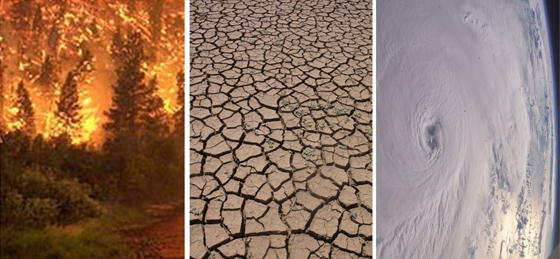
Asia: Freshwater availability projected to decrease in Central, South, East and Southeast Asia by the 2050s; coastal areas will be at risk due to increased flooding; death rate from disease associated with floods and droughts expected to rise in some regions.
"Taken as a whole, the range of published evidence indicates that the net damage costs of climate change are likely to be significant and to increase over time."
- Intergovernmental Panel on Climate Change
Sunday, January 23, 2011
Life Philosphy
An elderly carpenter was ready to retire. He told his employer- contractor of
his plans to leave the house-building business and live a more leisurely life
with his wife enjoying his extended family. He would miss the paycheck, but he
needed to retire. They could get by.
The contractor was sorry to see his good worker go and asked if he could build
just one more house as a personal favor. The carpenter said yes, but in time it
was easy to see that his heart was not in his work. He resorted to shoddy
workmanship and used inferior materials. It was an unfortunate way to end a
dedicated career.
When the carpenter finished his work the employer came to inspect the house.
He handed the front-door key to the carpenter.
This is your house, he said, my gift to you.
The carpenter was shocked! What a shame!
If he had only known he was building his own,
he would have done it all so differently.
We do the most of the things having such thoughts in our mind. But we only
realize when it comes back to us.
So it is with us. We build our lives, a day at a time, often putting less than
our best into the building. Then with a shock we realize we have to live in the
house that we have built. If we could do it over, we'd do it much differently.
But we cannot go back.
You are the carpenter. Each day you hammer a nail, place a board,
or erect a wall. Life is a do-it-yourself project, someone has said.
Your attitudes and the choices you make today, build the house you
live in tomorrow. Build wisely!
What we do is what we get and what we have is what we did
his plans to leave the house-building business and live a more leisurely life
with his wife enjoying his extended family. He would miss the paycheck, but he
needed to retire. They could get by.
The contractor was sorry to see his good worker go and asked if he could build
just one more house as a personal favor. The carpenter said yes, but in time it
was easy to see that his heart was not in his work. He resorted to shoddy
workmanship and used inferior materials. It was an unfortunate way to end a
dedicated career.
When the carpenter finished his work the employer came to inspect the house.
He handed the front-door key to the carpenter.
This is your house, he said, my gift to you.
The carpenter was shocked! What a shame!
If he had only known he was building his own,
he would have done it all so differently.
We do the most of the things having such thoughts in our mind. But we only
realize when it comes back to us.
So it is with us. We build our lives, a day at a time, often putting less than
our best into the building. Then with a shock we realize we have to live in the
house that we have built. If we could do it over, we'd do it much differently.
But we cannot go back.
You are the carpenter. Each day you hammer a nail, place a board,
or erect a wall. Life is a do-it-yourself project, someone has said.
Your attitudes and the choices you make today, build the house you
live in tomorrow. Build wisely!
What we do is what we get and what we have is what we did
Saturday, December 18, 2010
Five Lessons About How To Treat People
Five Lessons About How To Treat People
-- Author Unknown
1. First Important Lesson - "Know The Cleaning Lady"
During my second month of college, our professor gave us a pop quiz. I was a conscientious student and had breezed through the questions, until I read the last one: "What is the first name of the woman who cleans the school?"
Surely this was some kind of joke. I had seen the cleaning woman several times. She was tall, dark-haired and in her 50s, but how would I know her name? I handed in my paper, leaving the last question blank. Just before class ended, one student asked if the last question would count toward our quiz grade.
"Absolutely," said the professor. "In your careers, you will meet many people. All are significant. They deserve your attention and care, even if all you do is smile and say "hello."
I've never forgotten that lesson. I also learned her name was Dorothy.
2. Second Important Lesson - "Pickup In The Rain"
One night, at 11:30 p.m., an older African American woman was standing on the side of an Alabama highway trying to endure a lashing rainstorm. Her car had broken down and she desperately needed a ride. Soaking wet, she decided to flag down the next car.
A young white man stopped to help her, generally unheard of in those conflict-filled 1960s. The man took her to safety, helped her get assistance and put her into a taxicab.
She seemed to be in a big hurry, but wrote down his address and thanked him. Seven days went by and a knock came on the man's door. To his surprise, a giant console color TV was delivered to his home.
A special note was attached. It read: "Thank you so much for assisting me on the highway the other night. The rain drenched not only my clothes, but also my spirits. Then you came along. Because of you, I was able to make it to my dying husband's bedside just before he passed away. God bless you for helping me and unselfishly serving others."
Sincerely, Mrs. Nat King Cole.
3. Third Important Lesson - "Remember Those Who Serve"
In the days when an ice cream sundae cost much less, a 10 year-old boy entered a hotel coffee shop and sat at a table. A waitress put a glass of water in front of him. "How much is an ice cream sundae?" he asked. "50¢," replied the waitress.
The little boy pulled his hand out of his pocket and studied the coins in it.
"Well, how much is a plain dish of ice cream?" he inquired. By now more people were waiting for a table and the waitress was growing impatient. "35¢!" she brusquely replied.
The little boy again counted his coins. "I'll have the plain ice cream," he said. The waitress brought the ice cream, put the bill on the table and walked away. The boy finished the ice cream, paid the cashier and left.
When the waitress came back, she began to cry as she wiped down the table. There, placed neatly beside the empty dish, were two nickels and five pennies. You see, he couldn't have the sundae, because he had to have enough left to leave her a tip.
4. Fourth Important Lesson - "The Obstacles In Our Path"
In ancient times, a King had a boulder placed on a roadway. Then he hid himself and watched to see if anyone would remove the huge rock. Some of the king's wealthiest merchants and courtiers came by and simply walked around it. Many loudly blamed the King for not keeping the roads clear, but none did anything about getting the stone out of the way.
Then a peasant came along carrying a load of vegetables. Upon approaching the boulder, the peasant laid down his burden and tried to move the stone to the side of the road. After much pushing and straining, he finally succeeded. After the peasant picked up his load of vegetables, he noticed a purse lying in the road where the boulder had been. The purse contained many gold coins and a note from the King indicating that the gold was for the person who removed the boulder from the roadway. The peasant learned what many of us never understand - "Every obstacle presents an opportunity to improve our condition."
5. Fifth Important Lesson - "Giving When It Counts"
Many years ago, when I worked as a volunteer at a hospital, I got to know a little girl named Liz who was suffering from a rare and serious disease. Her only chance of recovery appeared to be a blood transfusion from her 5-year-old brother, who had miraculously survived the same disease and had developed the antibodies needed to combat the illness. The doctor explained the situation to her little brother, and asked the little boy if he would be willing to give his blood to his sister. I saw him hesitate for only a moment before taking a deep breath and saying, "Yes, I'll do it if it will save her."
As the transfusion progressed, he lay in bed next to his sister and smiled, as we all did, seeing the color returning to her cheeks. Then his face grew pale and his smile faded. He looked up at the doctor and asked with a trembling voice, "Will I start to die right away?".
Being young, the little boy had misunderstood the doctor; he thought he was going to have to give his sister all of his blood in order to save her.
-- Author Unknown
1. First Important Lesson - "Know The Cleaning Lady"
During my second month of college, our professor gave us a pop quiz. I was a conscientious student and had breezed through the questions, until I read the last one: "What is the first name of the woman who cleans the school?"
Surely this was some kind of joke. I had seen the cleaning woman several times. She was tall, dark-haired and in her 50s, but how would I know her name? I handed in my paper, leaving the last question blank. Just before class ended, one student asked if the last question would count toward our quiz grade.
"Absolutely," said the professor. "In your careers, you will meet many people. All are significant. They deserve your attention and care, even if all you do is smile and say "hello."
I've never forgotten that lesson. I also learned her name was Dorothy.
2. Second Important Lesson - "Pickup In The Rain"
One night, at 11:30 p.m., an older African American woman was standing on the side of an Alabama highway trying to endure a lashing rainstorm. Her car had broken down and she desperately needed a ride. Soaking wet, she decided to flag down the next car.
A young white man stopped to help her, generally unheard of in those conflict-filled 1960s. The man took her to safety, helped her get assistance and put her into a taxicab.
She seemed to be in a big hurry, but wrote down his address and thanked him. Seven days went by and a knock came on the man's door. To his surprise, a giant console color TV was delivered to his home.
A special note was attached. It read: "Thank you so much for assisting me on the highway the other night. The rain drenched not only my clothes, but also my spirits. Then you came along. Because of you, I was able to make it to my dying husband's bedside just before he passed away. God bless you for helping me and unselfishly serving others."
Sincerely, Mrs. Nat King Cole.
3. Third Important Lesson - "Remember Those Who Serve"
In the days when an ice cream sundae cost much less, a 10 year-old boy entered a hotel coffee shop and sat at a table. A waitress put a glass of water in front of him. "How much is an ice cream sundae?" he asked. "50¢," replied the waitress.
The little boy pulled his hand out of his pocket and studied the coins in it.
"Well, how much is a plain dish of ice cream?" he inquired. By now more people were waiting for a table and the waitress was growing impatient. "35¢!" she brusquely replied.
The little boy again counted his coins. "I'll have the plain ice cream," he said. The waitress brought the ice cream, put the bill on the table and walked away. The boy finished the ice cream, paid the cashier and left.
When the waitress came back, she began to cry as she wiped down the table. There, placed neatly beside the empty dish, were two nickels and five pennies. You see, he couldn't have the sundae, because he had to have enough left to leave her a tip.
4. Fourth Important Lesson - "The Obstacles In Our Path"
In ancient times, a King had a boulder placed on a roadway. Then he hid himself and watched to see if anyone would remove the huge rock. Some of the king's wealthiest merchants and courtiers came by and simply walked around it. Many loudly blamed the King for not keeping the roads clear, but none did anything about getting the stone out of the way.
Then a peasant came along carrying a load of vegetables. Upon approaching the boulder, the peasant laid down his burden and tried to move the stone to the side of the road. After much pushing and straining, he finally succeeded. After the peasant picked up his load of vegetables, he noticed a purse lying in the road where the boulder had been. The purse contained many gold coins and a note from the King indicating that the gold was for the person who removed the boulder from the roadway. The peasant learned what many of us never understand - "Every obstacle presents an opportunity to improve our condition."
5. Fifth Important Lesson - "Giving When It Counts"
Many years ago, when I worked as a volunteer at a hospital, I got to know a little girl named Liz who was suffering from a rare and serious disease. Her only chance of recovery appeared to be a blood transfusion from her 5-year-old brother, who had miraculously survived the same disease and had developed the antibodies needed to combat the illness. The doctor explained the situation to her little brother, and asked the little boy if he would be willing to give his blood to his sister. I saw him hesitate for only a moment before taking a deep breath and saying, "Yes, I'll do it if it will save her."
As the transfusion progressed, he lay in bed next to his sister and smiled, as we all did, seeing the color returning to her cheeks. Then his face grew pale and his smile faded. He looked up at the doctor and asked with a trembling voice, "Will I start to die right away?".
Being young, the little boy had misunderstood the doctor; he thought he was going to have to give his sister all of his blood in order to save her.
Monday, November 15, 2010
The top 10 health benefits of lemon water

There are enormous benefits to be drawn from the consumption of lemon juice and water in your everyday life. You simply need to arm yourself with the relevant knowledge and you will soon start valuing this amalgamation more than ever.
Lemon is an inexpensive, easily-available citrus fruit, popular for its culinary and medicinal uses. It is used to prepare a variety of food recipes such as lemon cakes, lemon chicken and beverages like lemonade and lemon-flavoured drinks. It is also used for garnishing.
Lemon juice consists of about 5 percent citric acid that gives a tarty taste to lemon. It is a rich source of Vitamin C. It also contains vitamins like Vitamin B, riboflavin and minerals like calcium, phosphorus and magnesium as well as proteins and carbohydrates.
Lemon is generally consumed in the form of lemon juice or lemon water. Lemon water is a healthy drink, especially when taken in the morning. Daily consumption of lemon water provides a number of health benefits:
1. It's good for the stomach
Lemon can help relieve many digestive problems when mixed with hot water. These include nausea, heartburn and parasites. Due to the digestive qualities of lemon juice, symptoms of indigestion such as heartburn, bloating and belching are relieved. By drinking lemon juice regularly, the bowels are aided in eliminating waste more efficiently. Lemon acts as a blood purifier and as a cleansing agent. The intake of lemon juice can cure constipation. It is even known to help relieve hiccups when consumed as a juice. Lemon juice acts as a liver tonic and helps you digest your food by helping your liver produce more bile. It decreases the amount of phlegm produced by your body. It is also thought to help dissolve gallstones.
2. Excellent for skin-care
Lemon, being a natural antiseptic medicine, can participate to cure problems related to the skin. Lemon is a Vitamin C-rich citrus fruit that enhances your beauty by rejuvenating skin from within and thus bringing a glow to your face. Daily consumption of lemon water can make a huge difference in the appearance of your skin. It acts as an anti-aging remedy and can remove wrinkles and blackheads. Lemon water, if applied to areas of burns can fade the scars. As lemon is a cooling agent, it reduces the burning sensation on the skin.
3. Aids in dental care
Lemon water is used in dental care also. If fresh lemon juice is applied on areas of toothache, it can assist in getting rid of the pain. Massaging lemon juice into the gums can stop gum bleeding. It gives relief from bad smell and other problems related to the gums.
4. Cures throat infections
Lemon is an excellent fruit that aids in fighting problems related to throat infections, sore throat and tonsillitis as it has an antibacterial property. For sore throat, dilute one-half lemon juice with one-half water and gargle frequently.
5. Good for weight-loss
One of the major health benefits of drinking lemon water is that it paves the way towards losing weight faster, thus acting as a great weight-loss remedy. If a person takes lemon juice mixed with lukewarm water and honey, it can reduce the body weight as well.
6. Controls high blood pressure
Lemon water works wonders for people having heart problems, owing to its high potassium content. It controls high blood pressure, dizziness, nausea as well as provides relaxation to the mind and body. It also reduces mental stress and depression.
7. Assists in curing respiratory disorders
Lemon water assists in curing respiratory problems, along with breathing problems and revives a person suffering from asthma.
8. Good for treating rheumatism
Lemon is also a diuretic and hence lemon water can treat rheumatism and arthritis. It helps to flush bacteria and toxins out of the body.
9. Reduces fever
Lemon water can treat a person who is suffering from cold, flu or fever. It helps to break fever by increasing perspiration.
10. Acts as a blood purifier
Diseases like cholera or malaria can be treated with lemon water as it is a blood purifier.
How much lemon water should I drink?
In case you are in good health and weigh 70 kgs or less, it is advisable for you to have the juice of half a lemon squeezed into one glass of water, twice daily. However, if you weigh more than 70 kgs, the juice of one whole lemon in a glass of water is preferable. For maximum benefit, this mixture should be taken twice a day, although you may dilute more lemon juice according to your taste if you wish.
Do not remain oblivious to gifts of nature such as this -- always try to make the most of them. Make it a part of your daily routine to drink a glass of warm lemon water in the morning, so that the gateway to its many benefits opens up to you.
Friday, November 5, 2010

Saturday, August 21, 2010

Friday, April 2, 2010
How to Avoid Procrastination in Academic Matters
#
Look at the deadline of any new assignment you get and write it on your calendar. For assignments with no deadline - a frequent phenomenon in graduate school - impose a deadline yourself.
#
Step 2
Imagine how the world will look on that date, to make it real to you: What will the weather be like? What else will have changed? Don't allow those changes to pass without finishing the assignment.
#
Step 3
Calculate roughly how many hours the assignment will take.
#
Step 4
Decide, before bedding down each night, how much time you're going to spend the next day on the assignment.
#
Step 5
Remind yourself, upon waking up, of this amount of time.
#
Step 6
Tell yourself that you won't allow yourself any leisure activities that day until you've put in the promised amount of time.
#
Step 7
Reward yourself, when done for the day, in whatever way you see fit. This reward is key - having a positive incentive can make all the difference.
#
Step 8
Don't be afraid to call your student services office. There are well-trained people out there who can help you.
Tips & Warnings
*
For particularly long assignments, don't think too much about how much work it will actually take to finish. Instead, take small steps and have faith that they'll add up to something big. After all, as they say, a journey of a thousand miles begins with a single step.
*
Every person has his or her own style. Tweak this method in whatever way fits you best. For instance, if this process doesn't feel quite arm-twisting enough, try marking off each day on the calendar when you get up that day.
*
Remember that you're not alone; lots of people are guilty of procrastinating.
*
Don't panic if you slip up the first day or two; it's still early. Take some deep breaths and re-commit yourself to doing the next day's work.
Look at the deadline of any new assignment you get and write it on your calendar. For assignments with no deadline - a frequent phenomenon in graduate school - impose a deadline yourself.
#
Step 2
Imagine how the world will look on that date, to make it real to you: What will the weather be like? What else will have changed? Don't allow those changes to pass without finishing the assignment.
#
Step 3
Calculate roughly how many hours the assignment will take.
#
Step 4
Decide, before bedding down each night, how much time you're going to spend the next day on the assignment.
#
Step 5
Remind yourself, upon waking up, of this amount of time.
#
Step 6
Tell yourself that you won't allow yourself any leisure activities that day until you've put in the promised amount of time.
#
Step 7
Reward yourself, when done for the day, in whatever way you see fit. This reward is key - having a positive incentive can make all the difference.
#
Step 8
Don't be afraid to call your student services office. There are well-trained people out there who can help you.
Tips & Warnings
*
For particularly long assignments, don't think too much about how much work it will actually take to finish. Instead, take small steps and have faith that they'll add up to something big. After all, as they say, a journey of a thousand miles begins with a single step.
*
Every person has his or her own style. Tweak this method in whatever way fits you best. For instance, if this process doesn't feel quite arm-twisting enough, try marking off each day on the calendar when you get up that day.
*
Remember that you're not alone; lots of people are guilty of procrastinating.
*
Don't panic if you slip up the first day or two; it's still early. Take some deep breaths and re-commit yourself to doing the next day's work.
Monday, December 28, 2009
FAQs: Buying mutual funds online: Rediff Getahead
FAQs: Buying mutual funds online: Rediff Getahead
Mutual fund investors seem to be having a good time in recent days. First, the market regulator securities and exchange board of India, Sebi, abolished entry loads while buying mutual funds. And now investors will be able to buy and sell mutual funds online.
It is early days yet and a lot of investors are confused as to how they can go about buying and selling MFs online. Here are some answers to the frequently asked questions on the matter:
Is it possible to buy mutual funds online?
It was always possible. Earlier you had to go to each fund house to buy that particular fund, now you can go to a share broker and buy it.
Is it the only way to buy mutual funds online?
No. There are various ways. There are some exclusive online services, or you can buy from a fund house directly. Cams, Amfi, Karvy, and some banks are all trying to set up their own payment gateways for you to buy mutual funds online. Nothing launched as yet.
How can I buy from a share broker?
You need to have a brokerage account, a demat account, and of course a bank account. Hopefully you will not have to do a KYC (know your client) because it is assumed that it has already been done by the demat service provider. If you do not have a brokerage account and a demat account, you will have to open one.
Which schemes can I buy under the new scheme?
You are allowed to buy schemes that are listed. All funds may not list all schemes for this platform. However all equity schemes, a few balanced schemes and surely all liquid schemes will be listed.
No. You may find it easier to deal with a bank (with zero charges) or a friendly financial advisor who can do it more efficiently.
For whom is this option worth taking?
For those who are living in remote places without banking facilities, IFA reach, AMC offices and who get the NAV (net asset value) with a lag. Typically if you are in an upcountry location and run the risk of an agent whom you do not like (or trust) too much, this is a good option.
Is the process simple?
It depends on you. If you are comfortable going to the Internet, computers, online banking then this is a good option. If you are a 'hard copy' kind of a person you still have the choice of going to your IFA.
Will my NAV vary during the day?
No. This is not a trading platform, just a data aggregator platform. All the orders are consolidated and sent to the fund house. The cut off of 3 pm. remains. So if your order gets executed after 3 pm, you will get only the next day's NAV. Any order placed before the cut-off time of 3 pm will have same NAV that is declared later in the day. There will be no fluctuation during the day.
As the trades are guaranteed you should be able to get the units the next working day. However to be on the safe side you should expect T+2 (the day on which you buy plus two working days) as the settlement time and seeing the credit in your account.
Whom do I pay?
Normally when you buy units of a mutual fund you make the cheque in the name of the fund scheme. However here you will give the cheque favouring the broker who will aggregate the money collected from various investors and settle with the fund house. You will be allotted units only after the broker's cheque is realised. The settlement is likely to happen through the clearing system. You have no risk of units not being allotted -- the trades are guaranteed.
If I have demat account with CDSL (Central Depository Services Ltd.) can I buy and sell on the NSE?
No. To be able to deal with the NSE you need to have a demat account with NSDL (National Securities Depository Ltd.), a brokerage account with a NSE member, as a pre-requisite for dealing with the NSE. However the BSE has also launched its platform so you can deal with a BSE member for your transactions.
Is it cheaper to deal with a broker or an agent?
It depends on your agent!
Let us look at what it will cost you to trade through a broker. It will cost you brokerage (at least 50 basis points + NSE charges (currently nil) + dematting charges (for old units) and some transaction charge by the DP (depository participant) depending on the scheme that you operate. Surely you will pay demat charges on a continuous basis while holding the units.
When you sell you will pay a fee to the demat service provider. So it should be cheaper to deal through an agent. However the risk of the agent running away with the cheque or using the cheque with somebody else's application are all eliminated
Mutual fund investors seem to be having a good time in recent days. First, the market regulator securities and exchange board of India, Sebi, abolished entry loads while buying mutual funds. And now investors will be able to buy and sell mutual funds online.
It is early days yet and a lot of investors are confused as to how they can go about buying and selling MFs online. Here are some answers to the frequently asked questions on the matter:
Is it possible to buy mutual funds online?
It was always possible. Earlier you had to go to each fund house to buy that particular fund, now you can go to a share broker and buy it.
Is it the only way to buy mutual funds online?
No. There are various ways. There are some exclusive online services, or you can buy from a fund house directly. Cams, Amfi, Karvy, and some banks are all trying to set up their own payment gateways for you to buy mutual funds online. Nothing launched as yet.
How can I buy from a share broker?
You need to have a brokerage account, a demat account, and of course a bank account. Hopefully you will not have to do a KYC (know your client) because it is assumed that it has already been done by the demat service provider. If you do not have a brokerage account and a demat account, you will have to open one.
Which schemes can I buy under the new scheme?
You are allowed to buy schemes that are listed. All funds may not list all schemes for this platform. However all equity schemes, a few balanced schemes and surely all liquid schemes will be listed.
No. You may find it easier to deal with a bank (with zero charges) or a friendly financial advisor who can do it more efficiently.
For whom is this option worth taking?
For those who are living in remote places without banking facilities, IFA reach, AMC offices and who get the NAV (net asset value) with a lag. Typically if you are in an upcountry location and run the risk of an agent whom you do not like (or trust) too much, this is a good option.
Is the process simple?
It depends on you. If you are comfortable going to the Internet, computers, online banking then this is a good option. If you are a 'hard copy' kind of a person you still have the choice of going to your IFA.
Will my NAV vary during the day?
No. This is not a trading platform, just a data aggregator platform. All the orders are consolidated and sent to the fund house. The cut off of 3 pm. remains. So if your order gets executed after 3 pm, you will get only the next day's NAV. Any order placed before the cut-off time of 3 pm will have same NAV that is declared later in the day. There will be no fluctuation during the day.
As the trades are guaranteed you should be able to get the units the next working day. However to be on the safe side you should expect T+2 (the day on which you buy plus two working days) as the settlement time and seeing the credit in your account.
Whom do I pay?
Normally when you buy units of a mutual fund you make the cheque in the name of the fund scheme. However here you will give the cheque favouring the broker who will aggregate the money collected from various investors and settle with the fund house. You will be allotted units only after the broker's cheque is realised. The settlement is likely to happen through the clearing system. You have no risk of units not being allotted -- the trades are guaranteed.
If I have demat account with CDSL (Central Depository Services Ltd.) can I buy and sell on the NSE?
No. To be able to deal with the NSE you need to have a demat account with NSDL (National Securities Depository Ltd.), a brokerage account with a NSE member, as a pre-requisite for dealing with the NSE. However the BSE has also launched its platform so you can deal with a BSE member for your transactions.
Is it cheaper to deal with a broker or an agent?
It depends on your agent!
Let us look at what it will cost you to trade through a broker. It will cost you brokerage (at least 50 basis points + NSE charges (currently nil) + dematting charges (for old units) and some transaction charge by the DP (depository participant) depending on the scheme that you operate. Surely you will pay demat charges on a continuous basis while holding the units.
When you sell you will pay a fee to the demat service provider. So it should be cheaper to deal through an agent. However the risk of the agent running away with the cheque or using the cheque with somebody else's application are all eliminated
Thursday, December 24, 2009
Subscribe to:
Posts (Atom)
LinkWithin

